Skip to content

News

🌟 Honoring Humanity: Dr. Massimo Barra Awarded the Henry Dunant Medal

Dr. Massimo Barra, founder of the Rome Consensus, has received the Henry Dunant Medal, the highest humanitarian honor. In his acceptance, Dr. Barra reminded us that “neutrality does not mean impotence” and warned that “if we remain in silence, we risk becoming accomplices.” Reflecting on his decades-long journey, he shared his commitment to being a “light in the darkness,” a hope that, for many, can “represent the difference between life and death.” Dr. Barra’s legacy inspires us to serve humanity with unwavering dedication.

Diplomatic Action and Public Health: The Rome Consensus 2.0 Facing the Threat of Synthetic Opioids

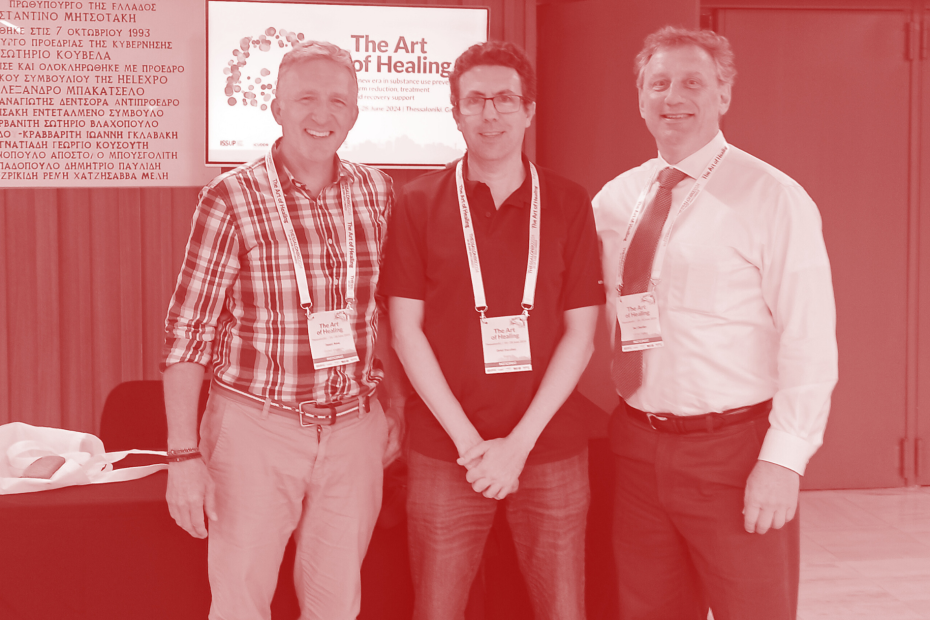
Thom Browne’s recent visit to Berlin, CEO of the Colombo Plan, marked a key moment in the global fight against new psychoactive substances (NPS) and synthetic opioids. Organized by C4 Recovery Foundation, C4 Consulting, and the Knowmad Institut, all members of the Rome Consensus 2.0, the event solidified international collaboration in confronting a growing global health crisis.

Browne’s message was clear: a coordinated global response is essential to address the escalating threat of synthetic opioids. The Rome Consensus 2.0 alliance, together with partners like C4 Recovery and the Knowmad Institut, is committed to developing public health and human rights-based strategies to combat this crisis.

Alternatives to Incarceration: The Future of Humanitarian Drug Policies in Africa

The PTACC African Leaders Deflection Summit in Nairobi brought together experts and leaders to discuss deflection—an innovative, health-centered alternative to incarceration. Organized by PTACC, C4 Recovery Foundation, NACADA, and TASC, all members of the Rome Consensus 2.0 Alliance, the summit focused on shifting drug policies toward humanitarian solutions. A key highlight was the presentation of the Rome Consensus 2.0 by Villa Maraini-CRI, encouraging a global movement towards compassionate approaches to drug-related challenges.

As African leaders explored how deflection can be integrated into their justice systems, discussions also turned toward future initiatives, including a 2025 training in Lamu, Kenya, to promote health-focused drug strategies across the continent. The summit reinforced the growing consensus that the future of drug policies must prioritize public health, dignity, and rehabilitation over punishment.

Disruptive Dialogue: Art and Drug Policies on the Agenda of the Rome Consensus 2.0

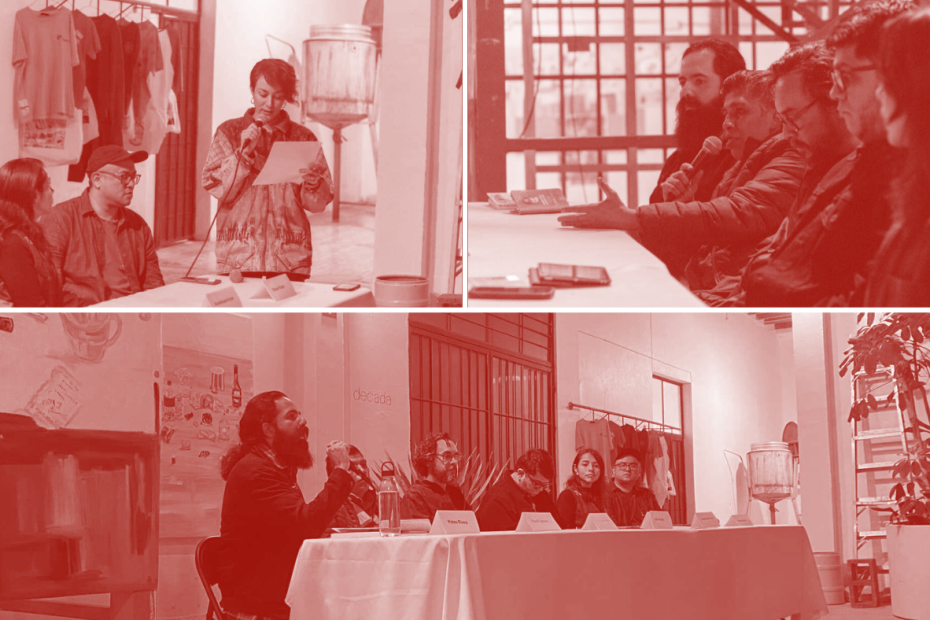
On October 3, 2024, “BodegĂłn del Vicio” by MarĂ­a Portilla opened at LAGUNA in Mexico City. Supported by the Knowmad Institut and IAPA, both members of Rome Consensus 2.0, the event featured a discussion on inclusive drug policies. The conversation focused on stigma reduction, harm reduction, and legal reform, aligned with the Rome Consensus 2.0’s commitment to human dignity and public health.

Villa Maraini and La Sapienza Rome Launch “THN- R(H)OME”: A Milestone for the Rome Consensus 2.0

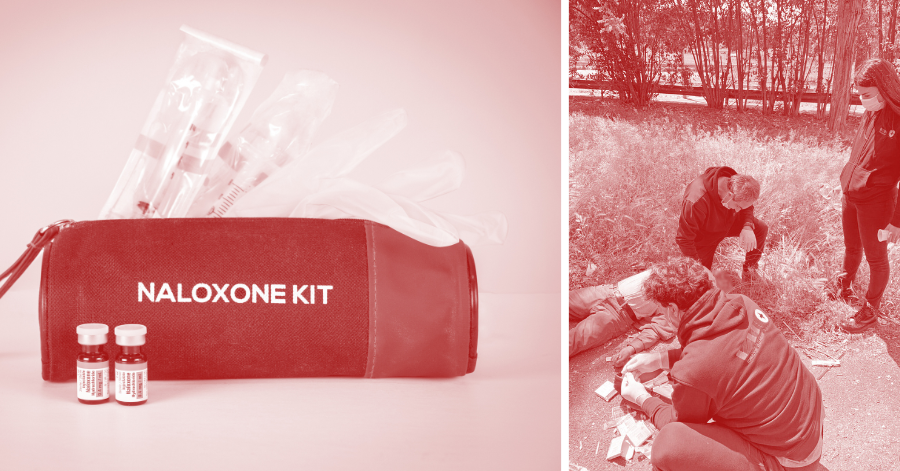
On International Overdose Awareness Day, Villa Maraini-CRI and La Sapienza University of Rome launched the “THN- R(H)OME” project, providing free nasal spray Naloxone to prevent opioid overdose deaths. This initiative represents a significant advancement for the Rome Consensus 2.0, emphasizing harm reduction and human rights in drug policies. By equipping communities with life-saving tools and training, the project aligns with RC2’s mission to promote compassionate, person-centered public health approaches. Learn more about this milestone effort and how it contributes to a shift in addressing overdoses and addictions effectively and humanely. For more details or to get involved, contact Villa Maraini Foundation at +39 0665753055

Rome Consensus 2.0 presentation to Japanese Students

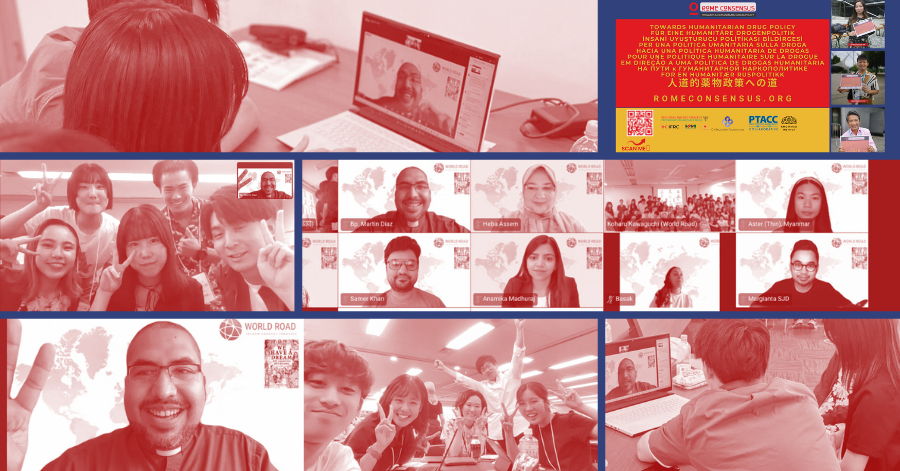
Bishop Martin DĂ­az recently introduced the Rome Consensus 2.0 to Japanese students during a session with the Tobitate Dreamers Group, part of a Ministry of Education initiative in Japan. This presentation emphasized the need for drug policies that prioritize human rights and harm reduction, promoting a compassionate, non-punitive approach. The interactive session saw students engaging with these principles, exploring how they could apply them to foster more humane policies in their communities. This event underscores the importance of educating new generations on global approaches to drug policy and empowering them to develop innovative solutions to shared challenges.

The Voice of the Rome Consensus 2.0 tp the United Nations Convention Against Cybercrime

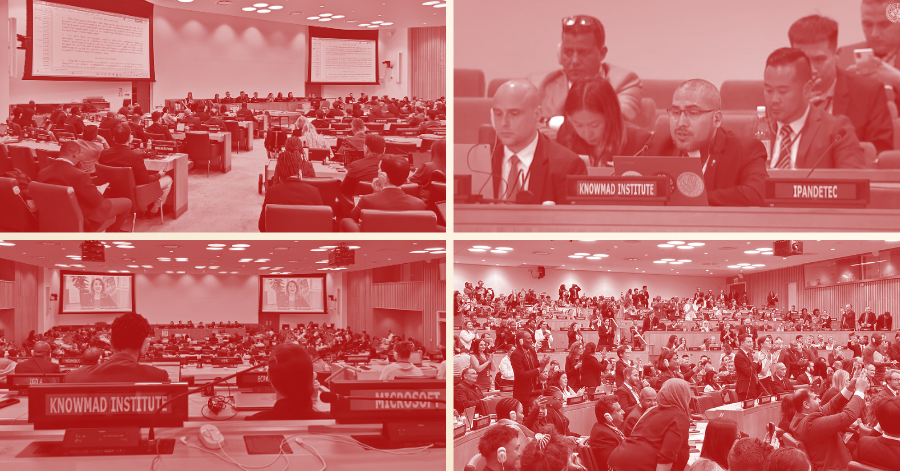
We are excited to share that the Knowmad Institute and the C4 Recovery Foundation have actively contributed to the development of the United Nations Convention Against Cybercrime, bringing the voice of the Rome Consensus 2.0 to the forefront. Our joint statement emphasized the need for a balanced approach to combating cybercrime that respects human rights, promotes public health, and supports sustainable development. We urge all stakeholders to remain vigilant in addressing both the current and emerging threats within cyberspace, especially concerning drug policies and public safety. Learn more about our advocacy and read the full analysis on the risks and opportunities associated with this critical global convention.