Skip to content

RC2

Alternatives to Incarceration: The Future of Humanitarian Drug Policies in Africa

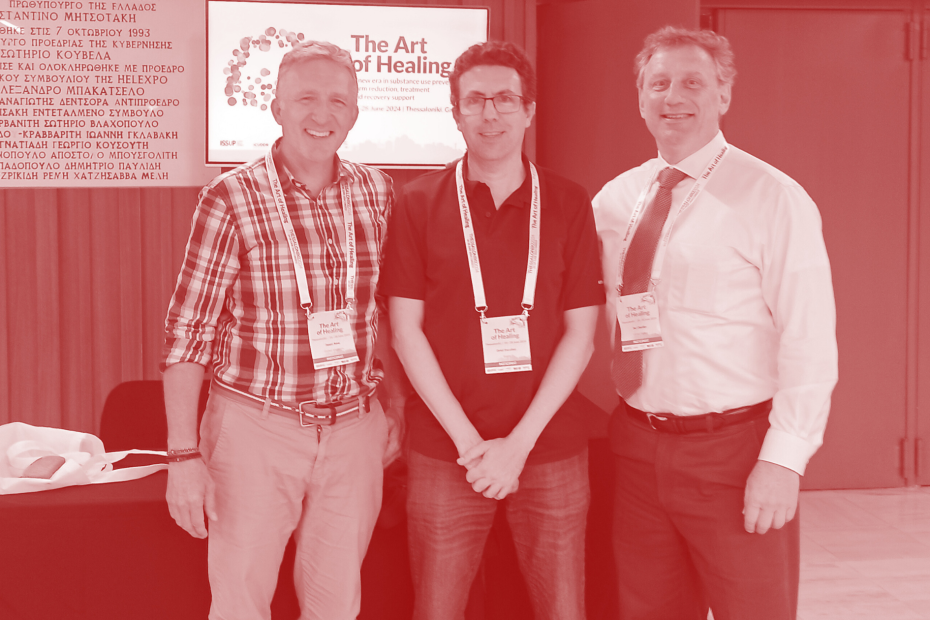
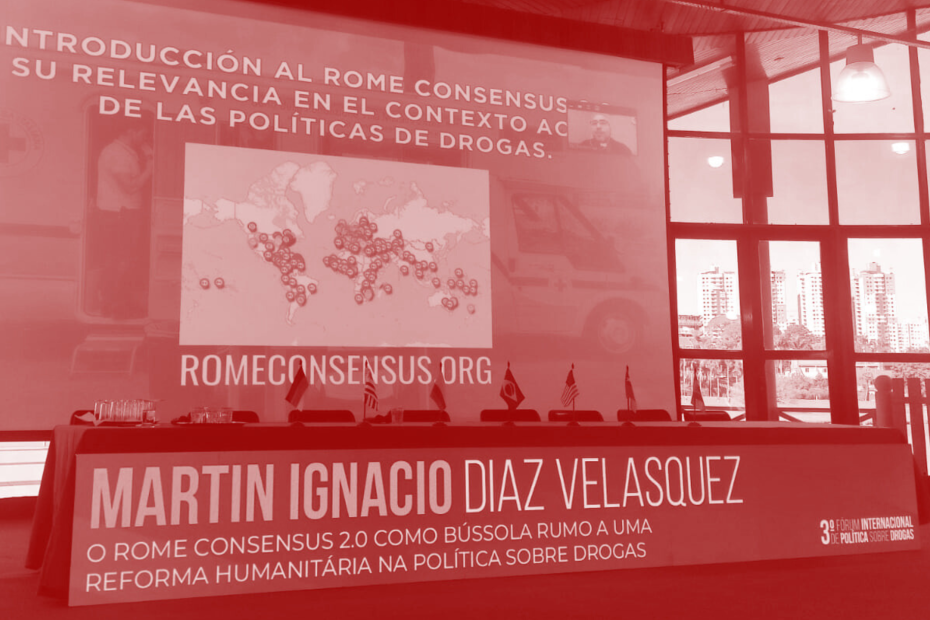
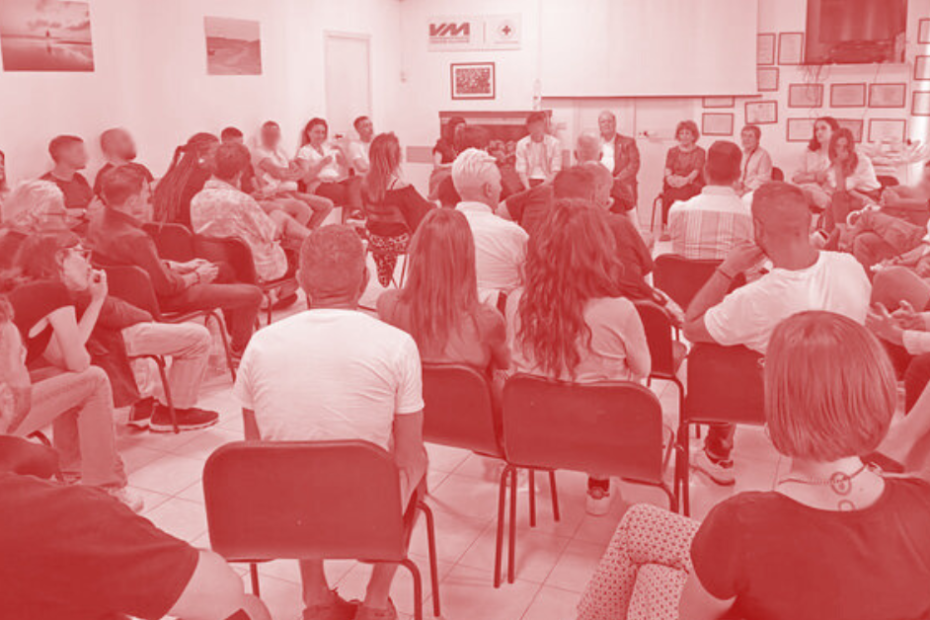
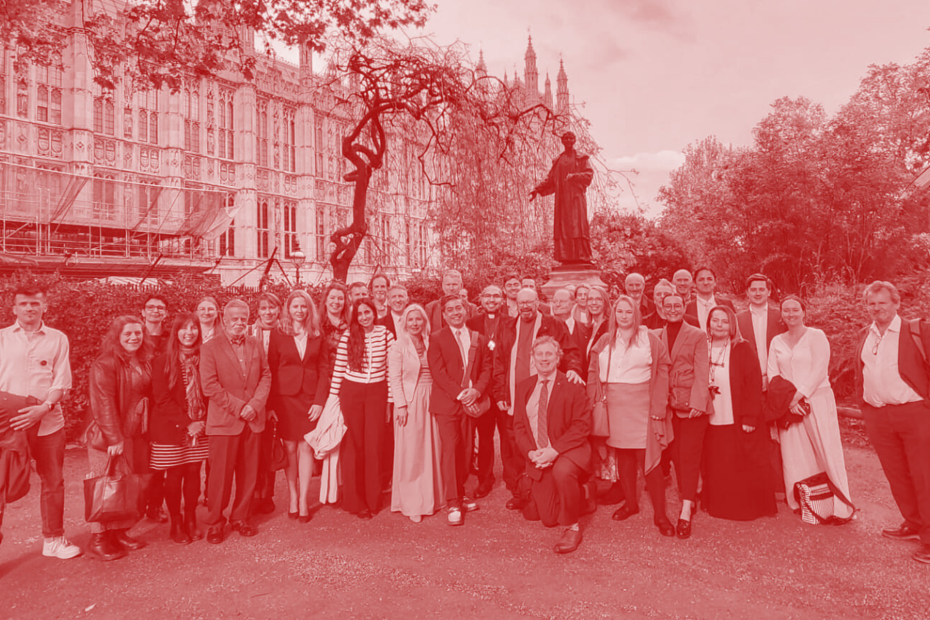
The PTACC African Leaders Deflection Summit in Nairobi brought together experts and leaders to discuss deflection—an innovative, health-centered alternative to incarceration. Organized by PTACC, C4 Recovery Foundation, NACADA, and TASC, all members of the Rome Consensus 2.0 Alliance, the summit focused on shifting drug policies toward humanitarian solutions. A key highlight was the presentation of the Rome Consensus 2.0 by Villa Maraini-CRI, encouraging a global movement towards compassionate approaches to drug-related challenges.

As African leaders explored how deflection can be integrated into their justice systems, discussions also turned toward future initiatives, including a 2025 training in Lamu, Kenya, to promote health-focused drug strategies across the continent. The summit reinforced the growing consensus that the future of drug policies must prioritize public health, dignity, and rehabilitation over punishment.
Disruptive Dialogue: Art and Drug Policies on the Agenda of the Rome Consensus 2.0

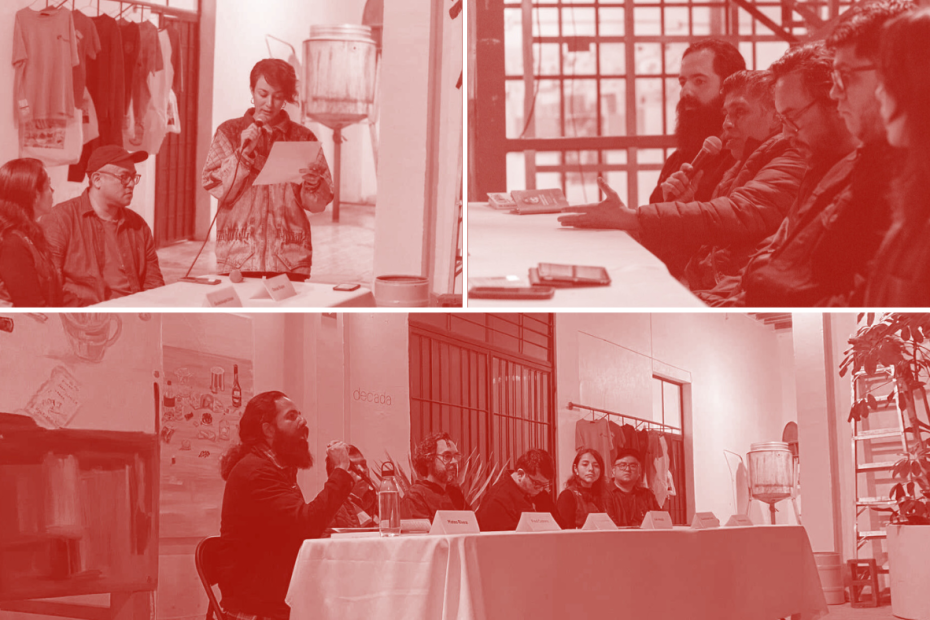
On October 3, 2024, “Bodegón del Vicio” by María Portilla opened at LAGUNA in Mexico City. Supported by the Knowmad Institut and IAPA, both members of Rome Consensus 2.0, the event featured a discussion on inclusive drug policies. The conversation focused on stigma reduction, harm reduction, and legal reform, aligned with the Rome Consensus 2.0’s commitment to human dignity and public health.

Villa Maraini and La Sapienza Rome Launch “THN- R(H)OME”: A Milestone for the Rome Consensus 2.0

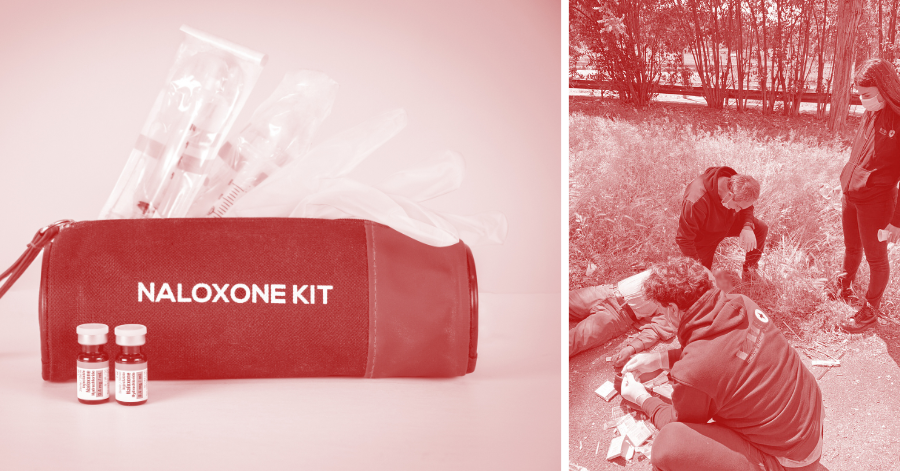
On International Overdose Awareness Day, Villa Maraini-CRI and La Sapienza University of Rome launched the “THN- R(H)OME” project, providing free nasal spray Naloxone to prevent opioid overdose deaths. This initiative represents a significant advancement for the Rome Consensus 2.0, emphasizing harm reduction and human rights in drug policies. By equipping communities with life-saving tools and training, the project aligns with RC2’s mission to promote compassionate, person-centered public health approaches. Learn more about this milestone effort and how it contributes to a shift in addressing overdoses and addictions effectively and humanely. For more details or to get involved, contact Villa Maraini Foundation at +39 0665753055

Rome Consensus 2.0 presentation to Japanese Students

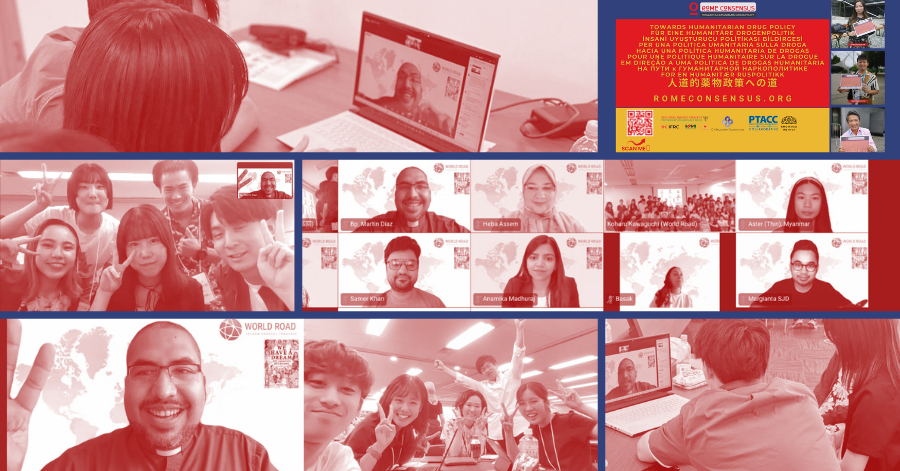
Bishop Martin Díaz recently introduced the Rome Consensus 2.0 to Japanese students during a session with the Tobitate Dreamers Group, part of a Ministry of Education initiative in Japan. This presentation emphasized the need for drug policies that prioritize human rights and harm reduction, promoting a compassionate, non-punitive approach. The interactive session saw students engaging with these principles, exploring how they could apply them to foster more humane policies in their communities. This event underscores the importance of educating new generations on global approaches to drug policy and empowering them to develop innovative solutions to shared challenges.

Addressing and Preventing Overdose Deaths in Italy

In the fight against opioid overdoses, the Villa Maraini Foundation (VM), established by Dr. Massimo Barra and a key player in the Rome Consensus 2.0, has been pivotal. Since 1976, VM has developed comprehensive services for pathological addictions, emphasizing user-centered approaches. Despite Italy’s proactive stance on making Naloxone available without prescription, many pharmacies lack the nasal spray form, highlighting the need for better protocols and training for first responders. VM’s Street Unit, active since the early ’90s, has conducted over 3000 overdose interventions in high-risk areas, demonstrating unwavering commitment to saving lives.